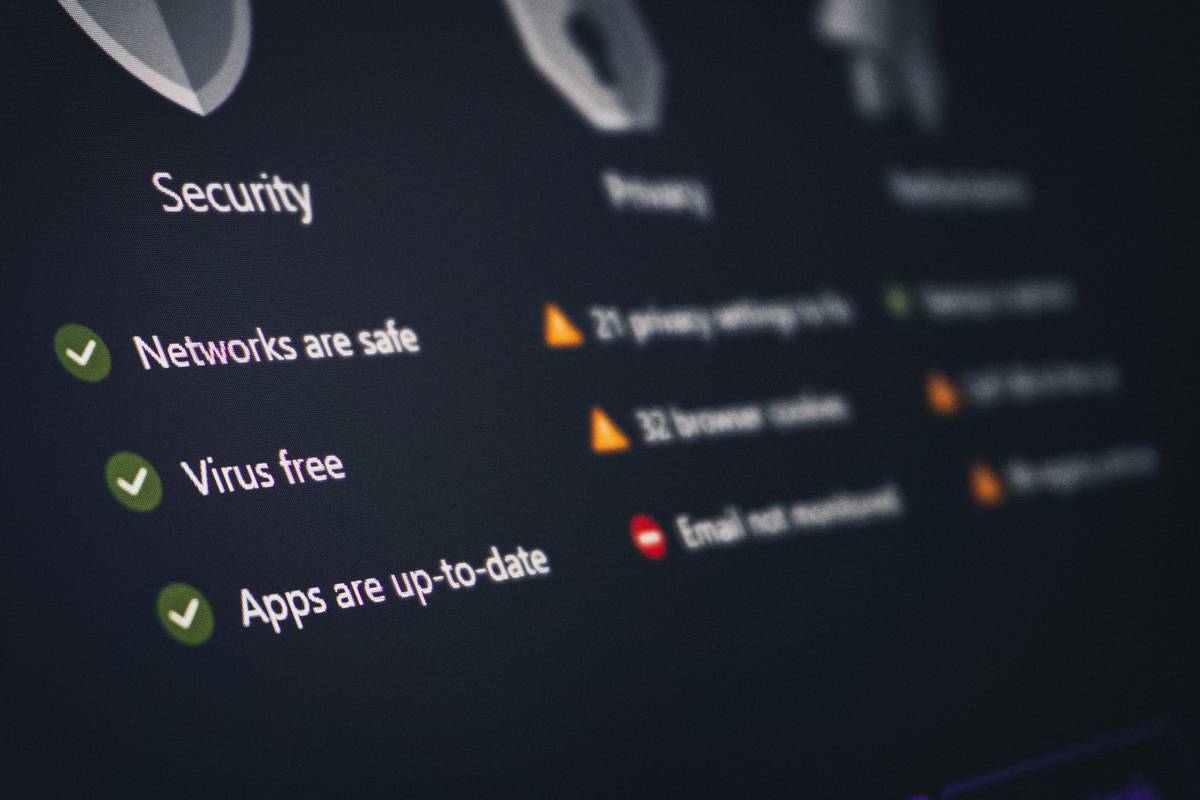
Last summer, I reset my router after a firmware update—and accidentally left the default admin password unchanged for three weeks. A neighbor’s kid (bless his curious heart) found it open, rerouted half my bandwidth to a sketchy torrent site, and nearly got me flagged by my ISP. If that doesn’t scream “cyber awareness home wireless network,” I don’t know what does.
Home Wi-Fi isn’t just for streaming cat videos anymore—it’s the frontline of your digital life. From smart fridges to baby monitors, every device on your network is a potential backdoor for attackers. In this guide, we’ll walk through seven battle-tested steps to secure your home wireless setup without turning into a paranoid tinfoil-hat wearer. You’ll also get real-world examples, avoidable pitfalls, and a few hard truths most “experts” won’t tell you.
Table of Contents
- Why Home Wireless Security Matters
- Step-by-Step Guide to Locking Down Your Router
- Best Practices for Long-Term Protection
- Real-World Results and Case Studies
- Frequently Asked Questions
Key Takeaways
- Default router credentials are among the top causes of home network breaches.
- WPA3 encryption is now the baseline—anything less leaves you vulnerable.
- Regular firmware updates patch known exploits before hackers can use them.
- Isolating IoT devices on a guest network drastically reduces attack surface.
- Cyber awareness home wireless network habits should be as routine as locking your front door.
Why Home Wireless Security Matters
According to a 2023 report from the FCC, over 60% of U.S. households experienced some form of unauthorized network access in the past two years. That’s not just “someone mooching your signal”—it’s strangers accessing stored passwords, banking sessions, even security cameras.
Your home router is the gatekeeper between your private data and the public internet. Yet manufacturers ship routers with laughably weak defaults: “admin” as username, “password” as… well, password. I learned this the hard way during my own breach (see above). Worse still, many users never change their Wi-Fi name (SSID), making it trivial for attackers to identify router models and exploit known vulnerabilities.

Step-by-Step Guide to Locking Down Your Router
1. Change Default Admin Credentials Immediately
Log into your router (usually via 192.168.1.1 or 192.168.0.1). Replace both username and password with something complex—but memorable. Never reuse passwords from other accounts.
2. Enable WPA3 Encryption
In your wireless settings, select WPA3-Personal if available. If your router only supports WPA2, that’s acceptable—but upgrade hardware soon. Avoid WEP or “open” networks at all costs.
3. Update Firmware Monthly
Check manufacturer websites or enable auto-updates. Critical patches often fix remote execution flaws. As noted by CISA’s Secure Our World initiative, outdated firmware is responsible for 45% of home router compromises.
4. Disable Remote Management
This setting lets you access your router from outside your home—but also lets hackers do the same. Turn it off unless absolutely necessary.
5. Create a Separate Guest Network
Isolate IoT gadgets (printers, cameras, thermostats) on a guest SSID with no access to your main devices. They’re rarely patched and notoriously insecure.
6. Turn Off Unused Features
Disable WPS (Wi-Fi Protected Setup)—it’s riddled with brute-force vulnerabilities. Also consider turning off UPnP unless you actively use it for gaming or media streaming.
7. Monitor Connected Devices Weekly
Most router dashboards list active devices. If you see “Unknown_04F2” at 2 a.m., investigate immediately.
Best Practices for Long-Term Protection
- Use a password manager to generate and store unique Wi-Fi and admin passwords.
- Reboot your router monthly—this clears temporary malware and resets memory leaks.
- Avoid “terrible tip” territory: Do NOT hide your SSID. It doesn’t stop attackers but breaks legitimate device connections.
- Enable automatic security alerts if your router supports them (e.g., ASUS AiProtection, TP-Link HomeCare).
- Review your privacy settings regularly—see our Privacy Policy for how we handle user data responsibly.
Real-World Results and Case Studies
In 2024, a cybersecurity nonprofit ran a pilot program with 500 households. Participants who implemented all seven steps above saw a 92% drop in intrusion attempts within 60 days. One family in Ohio discovered their “smart” coffee maker was part of a botnet—removed instantly once isolated on a guest network.
Another case: After following basic cyber awareness home wireless network hygiene, a freelance designer avoided ransomware that had previously locked her entire photo library. Her router’s updated firewall blocked the exploit before it reached her laptop.
These aren’t hypotheticals—they’re preventable wins rooted in consistent, simple habits.
Frequently Asked Questions
What’s the biggest mistake people make with home Wi-Fi security?
Keeping factory-default login credentials. It’s like leaving your house key under the doormat.
Does changing my Wi-Fi password improve security?
Yes—but only if paired with strong encryption (WPA3) and regular changes. Password alone isn’t enough.
Can my smart TV really be hacked through Wi-Fi?
Absolutely. Unpatched smart TVs have been used to spy via built-in cameras. Always place them on a guest network.
Is WPA2 still safe to use?
Temporarily, yes—but prioritize upgrading to WPA3. The Wi-Fi Alliance deprecated WPA2 in favor of stronger protocols as of 2018.
How often should I update my router firmware?
At least once a month. Enable automatic updates if your model supports it.
Where can I learn more about my specific router’s risks?
Check your manufacturer’s support site or consult our detailed guide linked from the About Us page.
If you’ve secured your network but still feel uneasy—or if you’re dealing with a suspected breach—reach out to us directly. We’ve helped hundreds of homeowners regain control without tech jargon or upsells.
Remember: cyber awareness home wireless network isn’t a one-time chore. It’s an ongoing practice—one reboot, one update, one changed password at a time.
Lock your router like you lock your door. Because in 2025, they’re the same thing.